
Homemade Fire Cider: A Traditional Herbal Vinegar Recipe
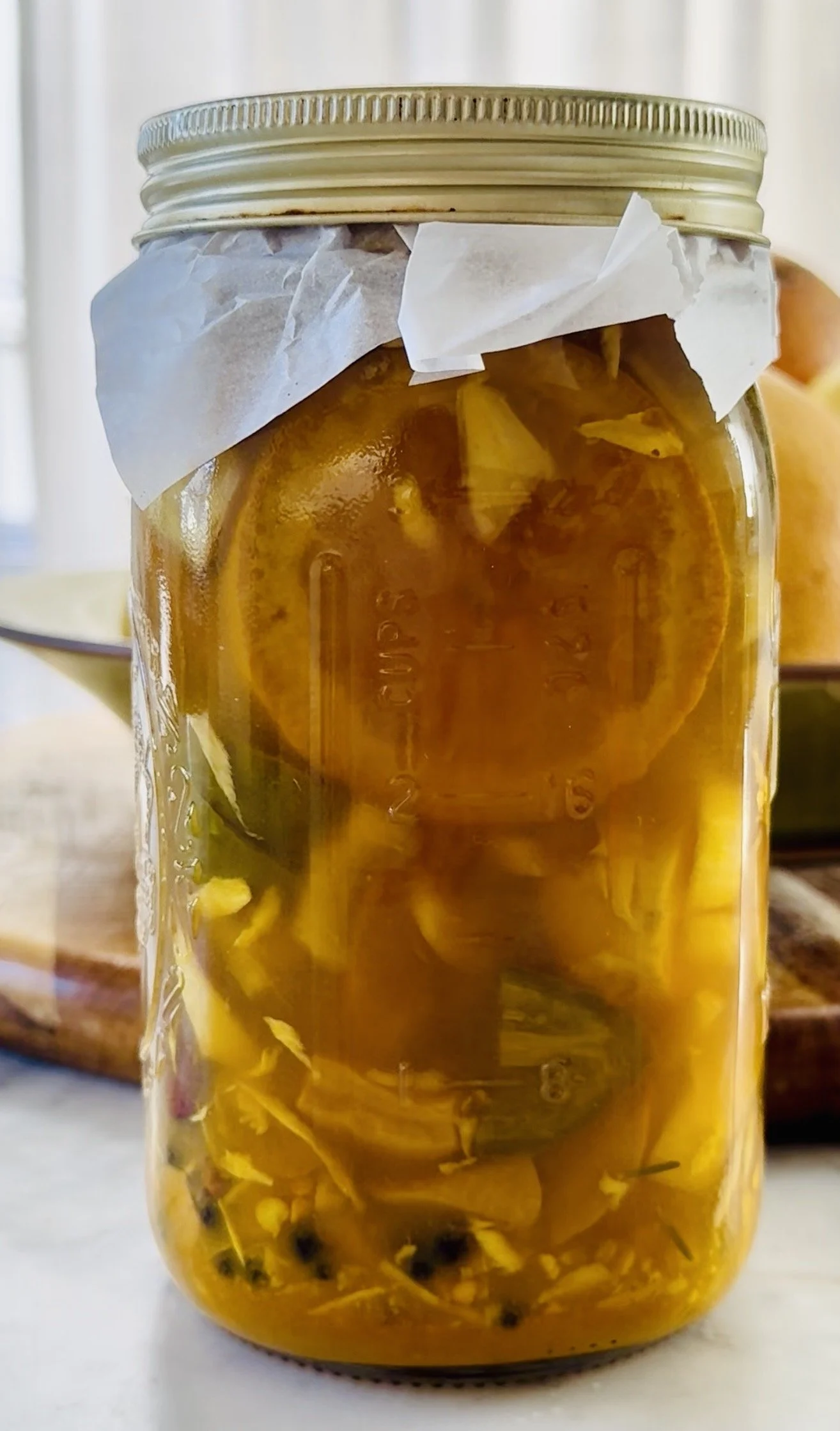
There is something grounding about making your own herbal preparations at home. Gathering ingredients, chopping roots, filling a jar with pungent herbs and citrus, and letting everything slowly infuse is a small reminder that caring for ourselves can be a hands-on, everyday practice.
Fire cider is a traditional folk herbal preparation made with apple cider vinegar, warming roots, garlic, onions, hot peppers, and aromatic herbs. The result is sharp, spicy, tangy, and full of flavor. A little honey softens the intensity once the mixture has finished infusing.
I love the simplicity of recipes like this. You don't need complicated equipment or a long list of specialty ingredients, just a handful of fresh foods, a clean glass jar, and a little patience.
If you've been curious about making your own fire cider, here's the recipe.
What Is Fire Cider?
Fire cider is a pungent herbal vinegar traditionally made by steeping ingredients such as ginger, horseradish, garlic, onion, citrus, and hot peppers in apple cider vinegar.
The name comes from its fiery flavor, especially when ginger, horseradish, and jalapeños come together. Different households and herbalists have their own variations, adding ingredients such as turmeric, rosemary, thyme, or other seasonal herbs.
It is often associated with traditional home herbalism and is commonly enjoyed in small amounts, usually diluted in water or incorporated into food.
While fire cider has a long history in folk herbal traditions, there is limited scientific evidence that it prevents or treats infections. I think it is worth appreciating it for what it is, a flavorful traditional preparation made from familiar kitchen ingredients, without expecting one recipe to do everything.
Homemade Fire Cider Recipe
Ingredients
3 cups raw apple cider vinegar
½ cup fresh ginger, chopped
½ cup fresh horseradish, chopped
½ cup onion, chopped
½ cup garlic, chopped
1–2 jalapeños, sliced
1–2 cinnamon sticks
1 tablespoon whole peppercorns
1–2 tablespoons fresh rosemary and/or thyme
1 tablespoon turmeric
1 orange, sliced
1 lemon, sliced
¼–½ cup raw honey, to taste, added after straining
What You'll Need
A clean glass jar large enough to hold all the ingredients and vinegar, approximately 1½ quarts or larger
A nonreactive lid, or parchment paper to place between the jar and a metal lid
A fine-mesh strainer or cheesecloth
A clean glass bottle for storing the finished cider
How to Make Fire Cider
1. Prepare your ingredients.
Wash the fresh produce, peel the ginger and horseradish if desired, and chop the roots, onion, and garlic. Slice the jalapeños, orange, and lemon.
2. Fill your jar.
Place everything in the jar except the honey. Pour the apple cider vinegar over the ingredients until they are fully submerged. Add a little more vinegar if needed to cover everything.
If using a metal lid, place parchment paper beneath it to help prevent prolonged contact with the acidic vinegar.
3. Let it infuse.
Seal the jar and store it in a cool, dark place for three to four weeks. Gently shake it each day, or whenever you remember, to help the ingredients mingle.
Check periodically that the solids remain submerged. Discard the mixture if you notice mold or other signs of spoilage.
4. Strain the mixture.
After three to four weeks, strain the liquid through a fine-mesh strainer or cheesecloth, pressing the ingredients to release their liquid. Compost the remaining solids if appropriate.
5. Add the honey.
Stir in the honey a little at a time, tasting as you go. You can make it more tart and fiery or soften the flavor with a little extra sweetness.
6. Bottle and refrigerate.
Transfer the finished fire cider to a clean glass bottle, label it with the date, and refrigerate. Because this is a homemade preparation without a validated preservation process, refrigeration is important. Discard it if its appearance, smell, or texture changes unexpectedly.
How to Enjoy Fire Cider
Fire cider has a bold, acidic flavor, so start with a small amount and dilute it in water if you choose to drink it. You can also experiment with using a little in salad dressings, marinades, or other recipes.
There is no established therapeutic dose, and taking more is not necessarily better. The vinegar, ginger, horseradish, and peppers may irritate the stomach or worsen reflux, and the acidity can affect tooth enamel. Avoid drinking it undiluted.
If you are pregnant or breastfeeding, take medications, or have a health condition that affects your digestion, ask your healthcare professional whether this preparation.